

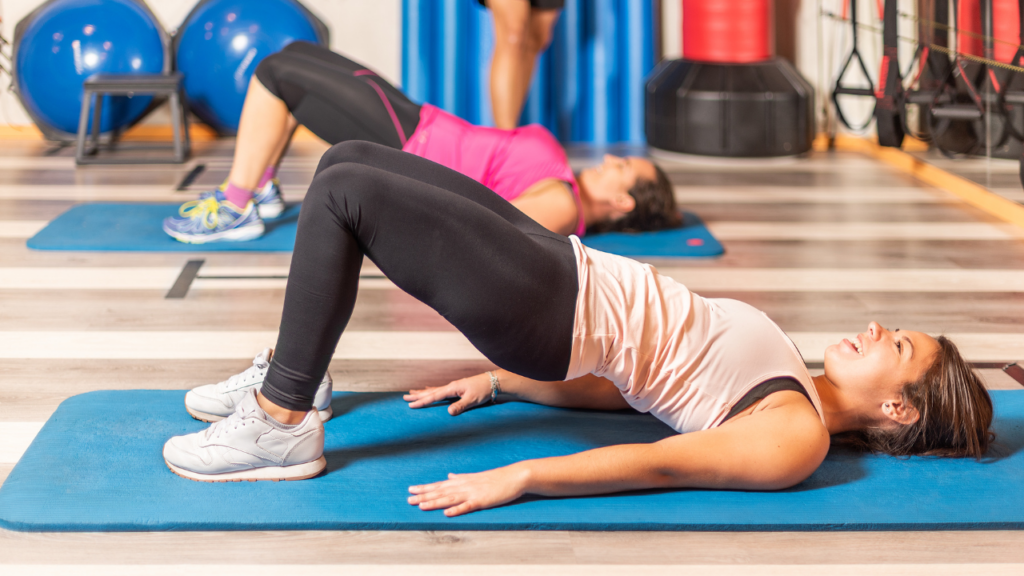
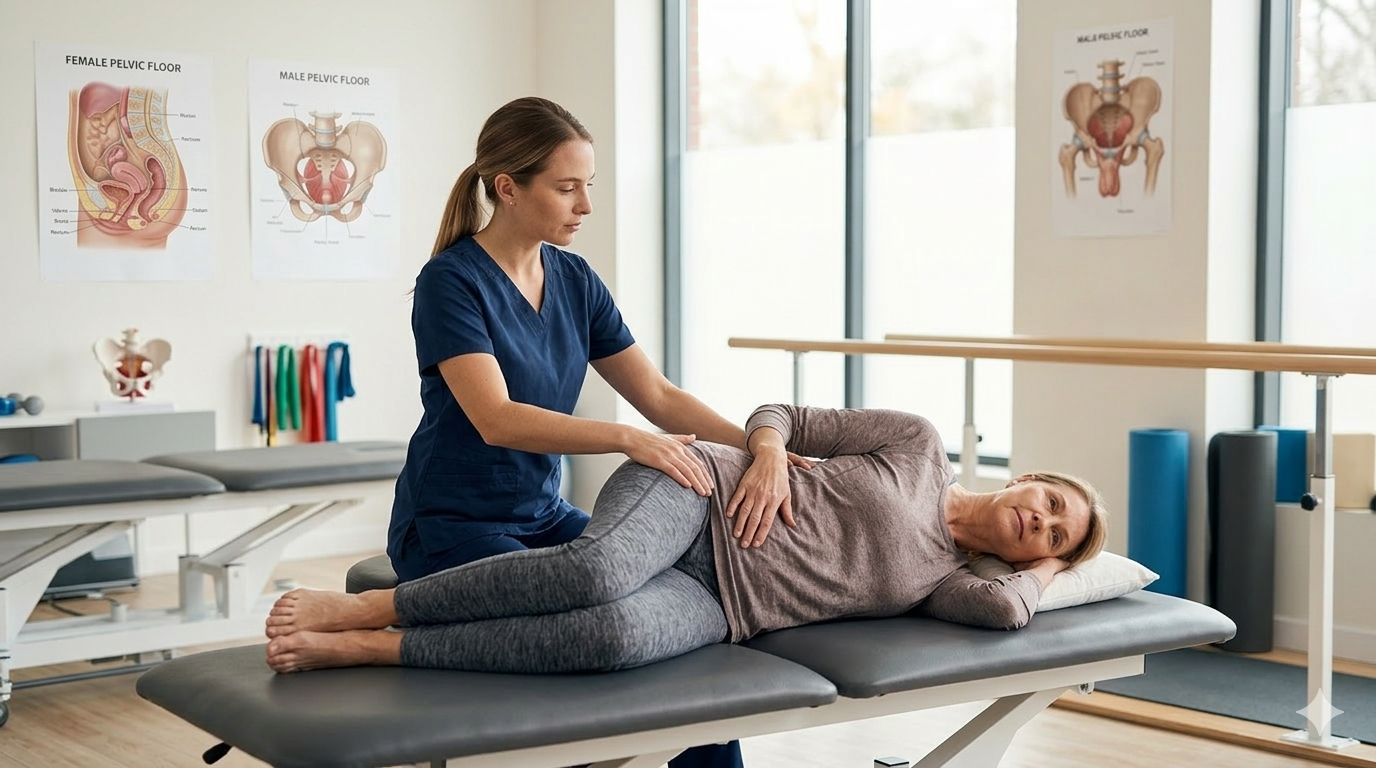
Pelvic physiotherapy is often conducted by physiotherapists with specialized training in pelvic health. It is a conservative and non-invasive approach to addressing pelvic issues, and it can be an essential component of a multidisciplinary approach to pelvic health care.
Pelvic physiotherapy, also known as pelvic floor physiotherapy or pelvic rehabilitation, is a specialized area of physical therapy that focuses on the assessment and treatment of conditions related to the pelvic region. The pelvic floor consists of muscles, ligaments, and connective tissues that support the pelvic organs, including the bladder, uterus, and rectum. Pelvic physiotherapists work with individuals, both men and women, to address a range of issues affecting this area.
Pain in the pelvic region, including conditions like pelvic floor dysfunction and vulvodynia.
Weakening of the pelvic floor muscles leading to the descent of pelvic organs.
Urinary or fecal incontinence, which may result from pelvic floor muscle dysfunction.
Pain during sexual intercourse.
Pelvic physiotherapy is often recommended during pregnancy to address issues such as pelvic pain, and it is also beneficial for postpartum recovery, addressing concerns like perineal tearing and pelvic floor weakness.
This can involve issues such as muscle weakness, tightness, or poor coordination of the pelvic floor muscles.
Conditions involving pain and discomfort in the bladder and pelvic region.
A thorough assessment of the pelvic floor muscles to identify any issues such as weakness, tightness, or dysfunction.
Techniques to help individuals become more aware of and control their pelvic floor muscles.
Hands-on techniques to release tension, improve muscle function, and address musculoskeletal issues in the pelvic region.
Targeted exercises to strengthen or relax the pelvic floor muscles, depending on the individual’s specific needs.
Providing information about pelvic anatomy, normal pelvic function, and strategies for maintaining pelvic health.
Advising on lifestyle and behavioral changes that can positively impact pelvic health, such as improving bowel and bladder habits.
Addressing factors like posture and movement patterns that may contribute to pelvic issues.
REHABILITATION SERVICES
Unit 303: Physiotherapy, Massage Therapy,
Chiropractic, Custom Bracing, DEXA Body Scans
Mon, Wed, Fri : 8 am to 7 pm
Tues, Thurs : 8 am to 5 pm
Sat to Sun : Closed
MEDICAL SERVICES
Unit 303: Rheumatology, Neurology, Psychiatry, Lifestyle Medicine
Unit 304: Physical Medicine, NCS/EMG, US-Guided Injections
Mon to Fri : 8 am to 5 pm
Sat to Sun : Closed
(Hours and availability may vary)


