

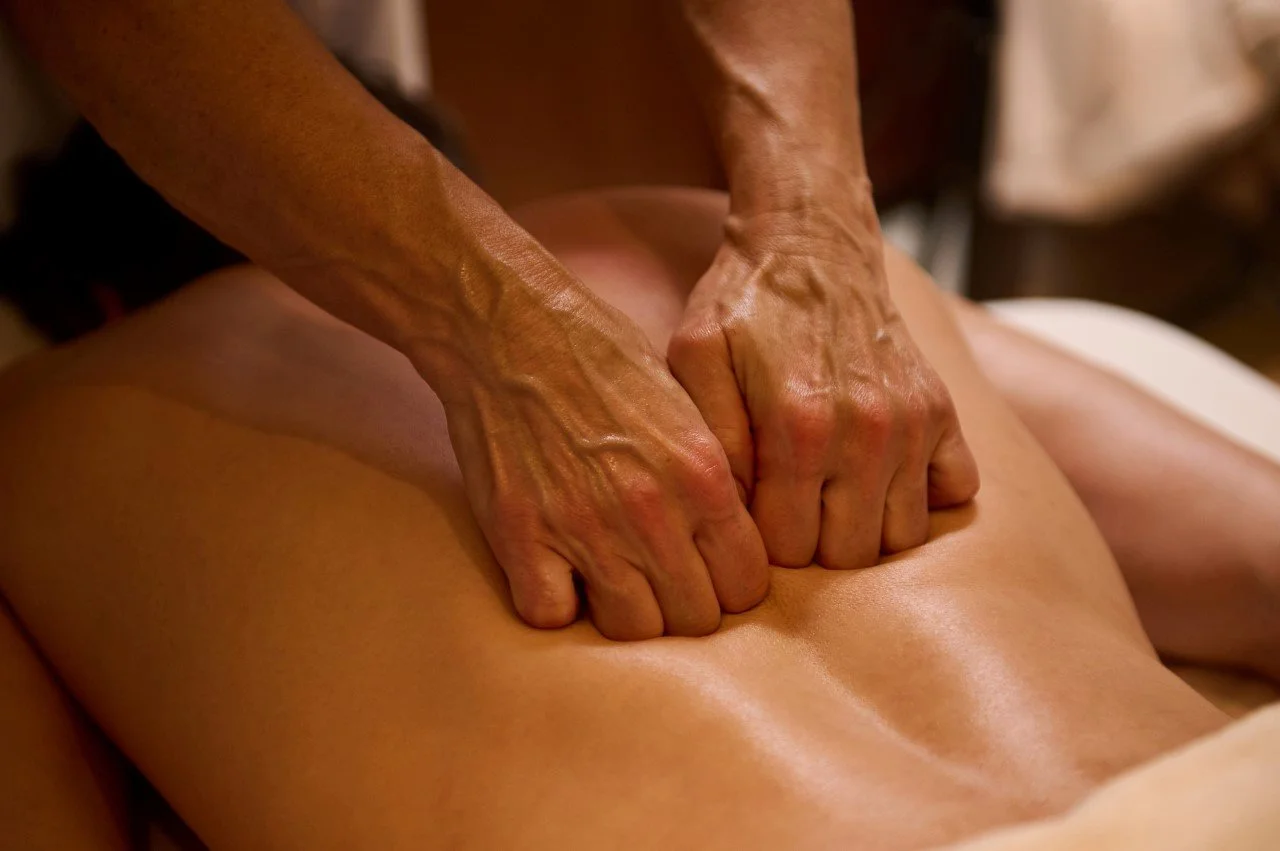
Deep tissue massage may cause some discomfort as deeper muscle layers are targeted, so it’s important to communicate openly with your therapist about pressure and comfort. People with recent injuries or specific medical conditions should consult their healthcare provider before starting this therapy.
Deep tissue massage therapy is a type of massage technique that focuses on reaching the deeper layers of muscles and connective tissues. It involves applying sustained pressure using slow, deep strokes to target specific areas of tension and tightness. The primary goal of deep tissue massage is to alleviate chronic muscle tension, reduce pain, and promote relaxation.
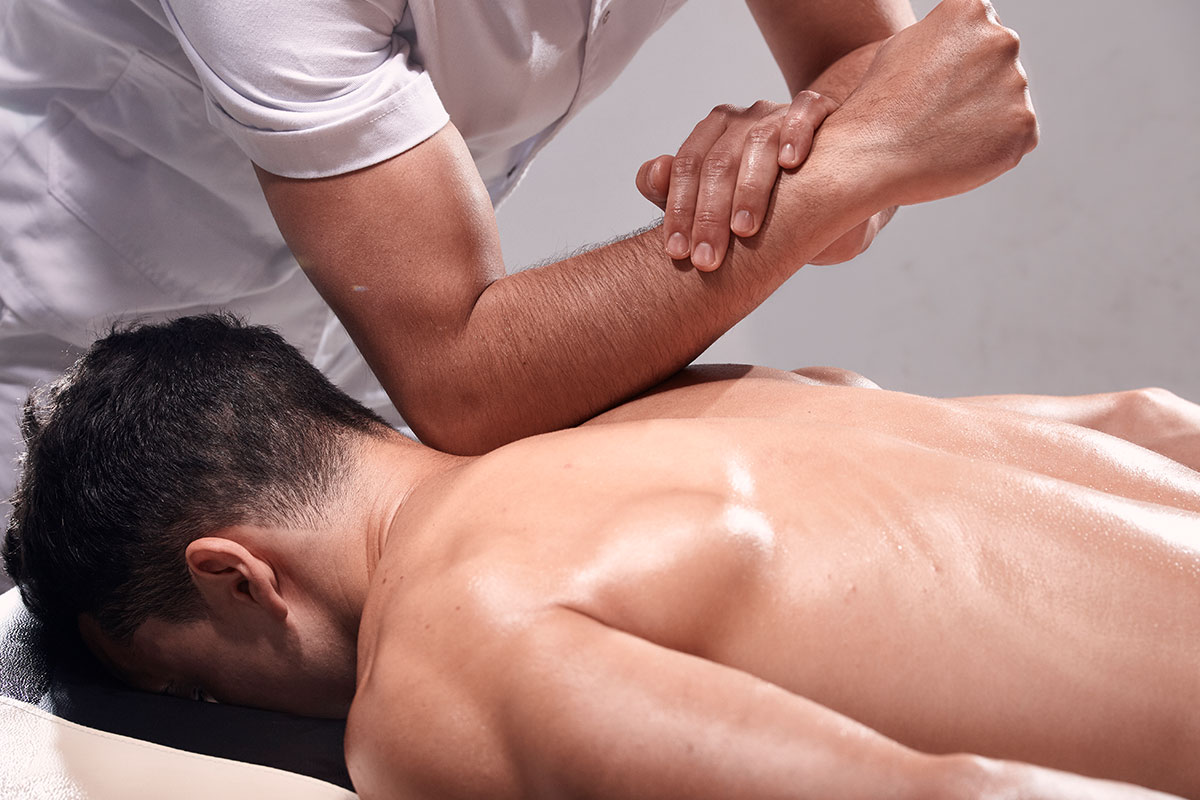
The therapist applies firm and deep pressure to reach the underlying muscles and fascia. This is different from the lighter pressure used in Swedish massage, another common massage technique.
Deep tissue massage involves slower and more deliberate strokes compared to some other massage styles. The focus is on gradually working through layers of muscle and tissue.
The therapist may focus on specific areas of the body where tension or pain is present, such as the neck, shoulders, lower back, or legs.
Techniques like friction and stripping involve applying pressure along the muscle fibers to release adhesions and knots. This can help break up scar tissue and improve flexibility.
Deep tissue massage therapists often use their elbows, forearms, and knuckles in addition to their hands to apply pressure effectively.
It’s essential for clients to communicate with the therapist during the session, providing feedback on pressure and areas of discomfort. This ensures a more personalized and effective treatment.
It can be effective in relieving chronic muscle pain and tension, especially in areas like the neck, shoulders, and lower back.
Deep tissue massage may aid in the rehabilitation of muscle injuries by promoting better blood flow and reducing inflammation.
Individuals with poor posture or those who spend long hours sitting may find relief from tension and tightness through deep tissue massage.
It can help improve flexibility and range of motion by addressing adhesions and restrictions in the muscles and connective tissues.
REHABILITATION SERVICES
Unit 303: Physiotherapy, Massage Therapy,
Chiropractic, Custom Bracing, DEXA Body Scans
Mon, Wed, Fri : 8 am to 7 pm
Tues, Thurs : 8 am to 5 pm
Sat to Sun : Closed
MEDICAL SERVICES
Unit 303: Rheumatology, Neurology, Psychiatry, Lifestyle Medicine
Unit 304: Physical Medicine, NCS/EMG, US-Guided Injections
Mon to Fri : 8 am to 5 pm
Sat to Sun : Closed
(Hours and availability may vary)


