

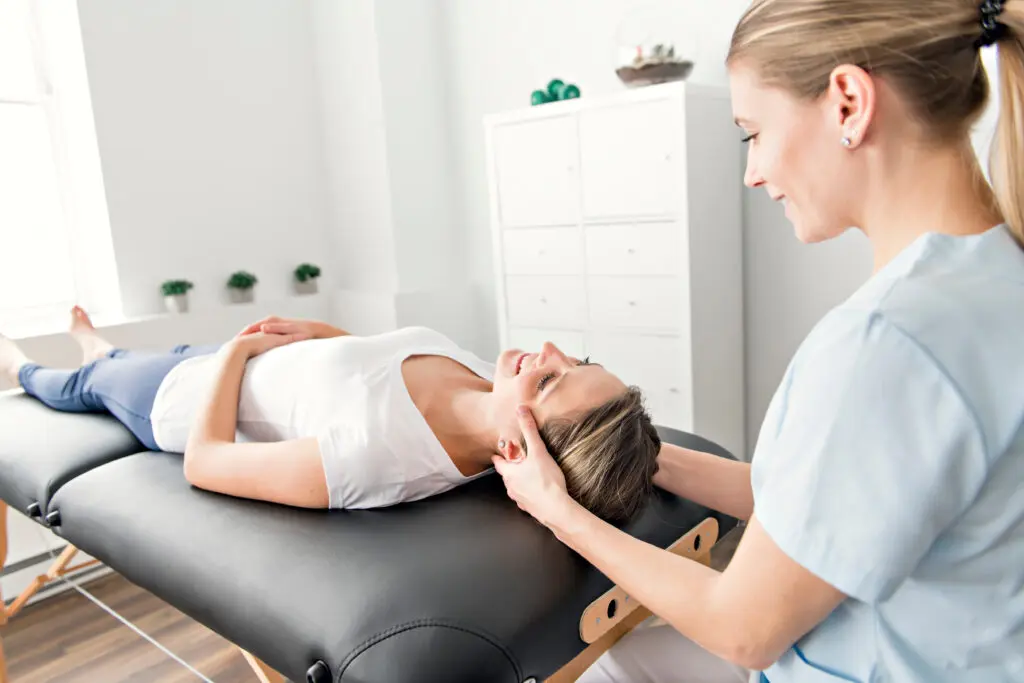
The goal is to help individuals with vestibular disorders reduce symptoms, improve their ability to perform daily activities, and enhance overall quality of life. The treatment approach is individualized based on the specific diagnosis and needs of the patient.
Vestibular physiotherapy, also known as vestibular rehabilitation therapy (VRT), is a specialized branch of physical therapy that focuses on the assessment and treatment of disorders related to the vestibular system. The vestibular system is a complex set of structures within the inner ear and brain that plays a crucial role in maintaining balance, spatial orientation, and eye movements. Vestibular physiotherapy is designed to address issues such as dizziness, vertigo, imbalance, and other symptoms associated with vestibular dysfunction.
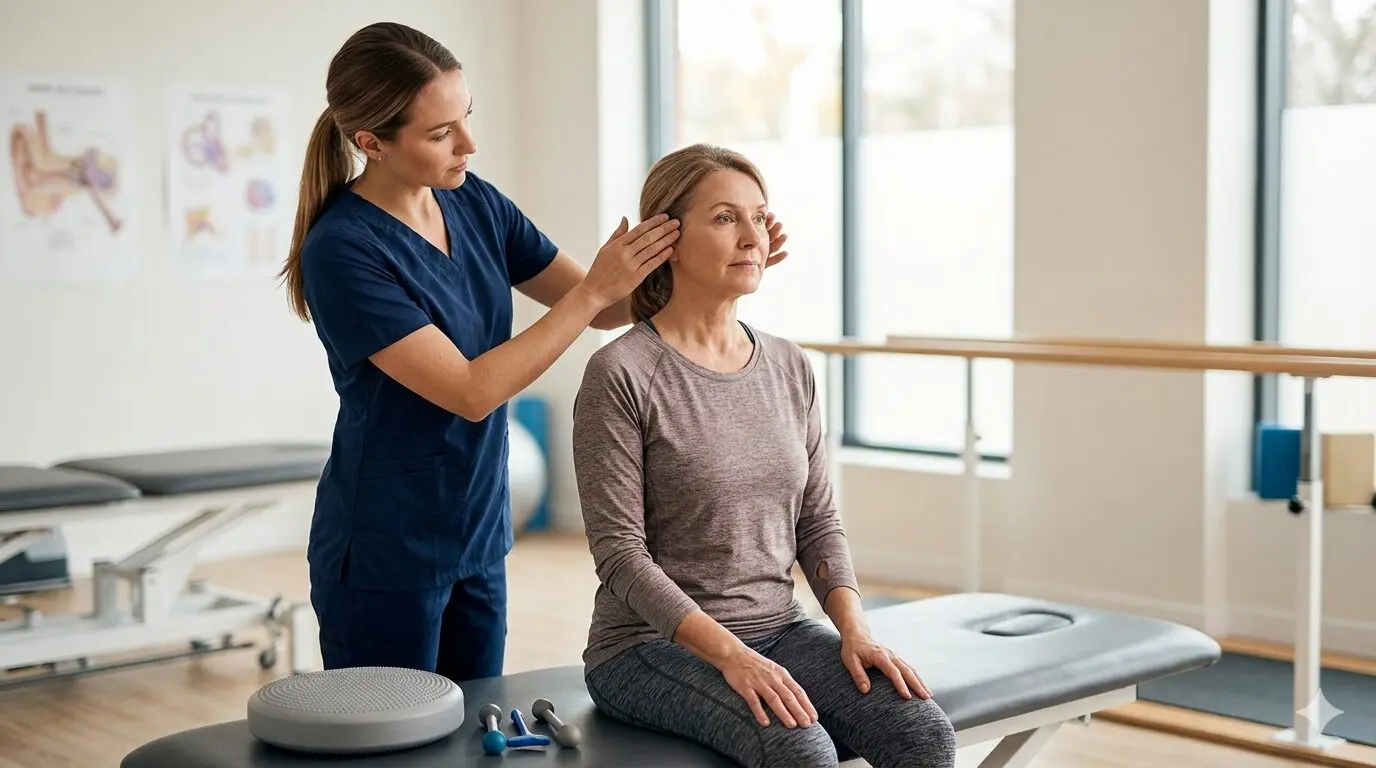
A condition characterized by brief episodes of vertigo triggered by changes in head position.
Inflammation of the vestibular nerve, leading to symptoms such as severe dizziness and imbalance.
Inflammation of the inner ear structures responsible for balance and hearing.
A disorder of the inner ear that causes episodes of vertigo, hearing loss, and tinnitus.
Vestibular rehabilitation may be part of the recovery process for individuals with vestibular symptoms following a concussion.
After certain surgical procedures involving the ear or brain, individuals may experience vestibular issues.
As individuals age, changes in the vestibular system may contribute to balance problems.
Physiotherapists conduct a detailed evaluation to assess the patient’s symptoms, medical history, and perform specific tests to identify the underlying vestibular issue.
For conditions like BPPV, physiotherapists may use specific maneuvers to reposition displaced particles within the inner ear, alleviating vertigo.
These exercises aim to improve the ability to maintain clear vision during head movements, helping reduce dizziness.
Targeted exercises to enhance balance, coordination, and stability.
Gradual exposure to movements or positions that provoke symptoms to help the brain adapt and reduce sensitivity to these triggers.
Providing information about the vestibular system, the nature of the disorder, and strategies for managing symptoms.
Prescribing exercises and activities for patients to perform at home to reinforce gains made during in-clinic sessions.
REHABILITATION SERVICES
Unit 303: Physiotherapy, Massage Therapy,
Chiropractic, Custom Bracing, DEXA Body Scans
Mon, Wed, Fri : 8 am to 7 pm
Tues, Thurs : 8 am to 5 pm
Sat to Sun : Closed
MEDICAL SERVICES
Unit 303: Rheumatology, Neurology, Psychiatry, Lifestyle Medicine
Unit 304: Physical Medicine, NCS/EMG, US-Guided Injections
Mon to Fri : 8 am to 5 pm
Sat to Sun : Closed
(Hours and availability may vary)


