


The goal is to improve the overall well-being and functional capacity of individuals affected by cancer, helping them cope with the physical challenges associated with the disease and its treatment.
Cancer physiotherapy typically refers to physical therapy or physiotherapy for individuals who have been diagnosed with cancer. Cancer physiotherapy aims to address the physical challenges and impairments that may arise as a result of cancer and its treatment. It is a specialized branch of physiotherapy that focuses on improving the quality of life, function, and overall well-being of cancer patients
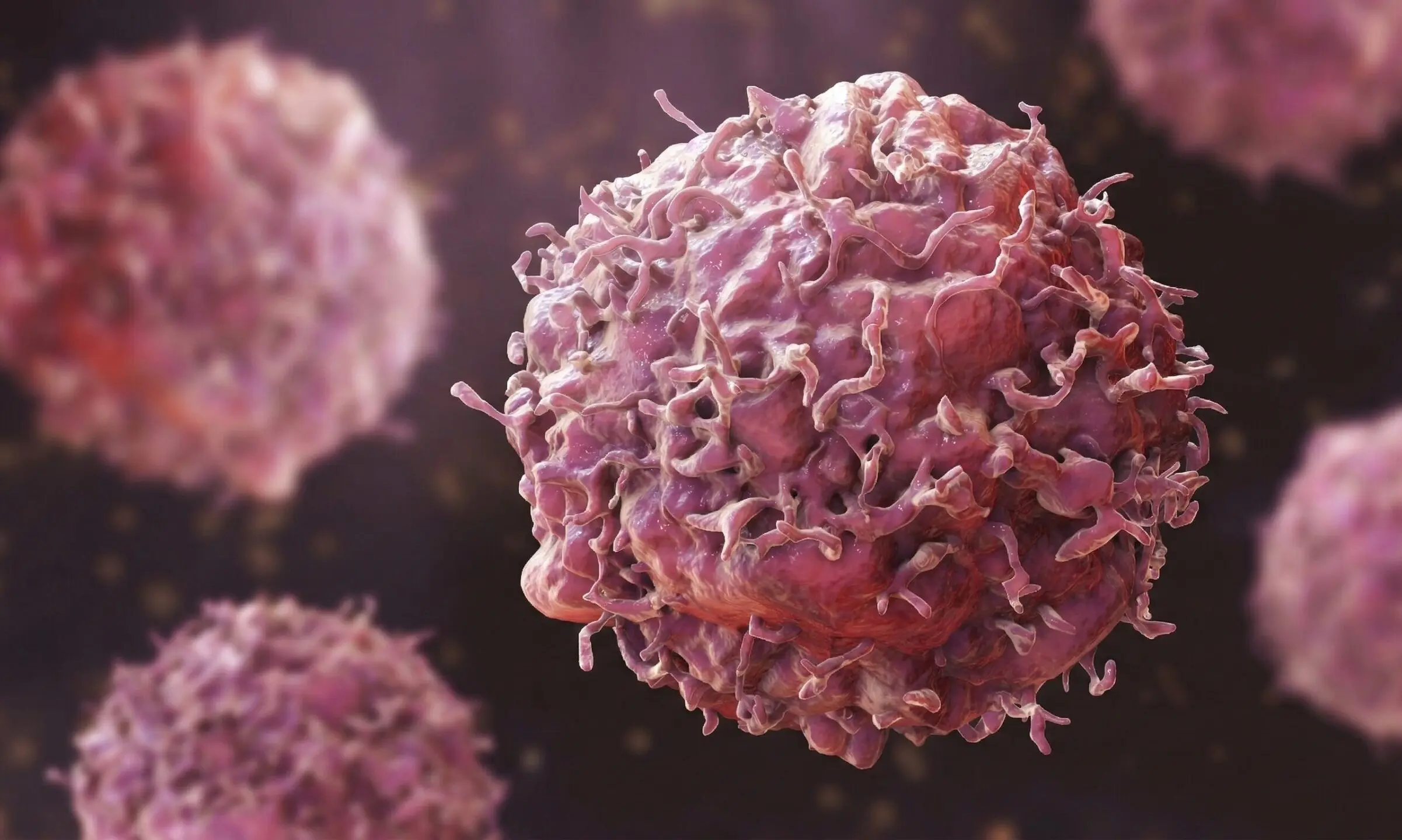
Cancer and its treatments, such as surgery, chemotherapy, and radiation therapy, can lead to various physical issues such as muscle weakness, joint stiffness, fatigue, and reduced mobility. Physiotherapists work with cancer patients to prevent and manage these impairments through targeted exercises and interventions.
Cancer-related pain is a common concern, and physiotherapists can help manage pain through techniques such as manual therapy, stretching, and specific exercises. They may also provide guidance on positioning and movement to reduce discomfort.
Cancer and its treatments can impact an individual’s ability to move and perform daily activities. Physiotherapy aims to enhance mobility, strength, and functional abilities through tailored exercise programs.
Cancer-related fatigue is a common side effect of both the disease and its treatments. Physiotherapists can develop energy conservation strategies and prescribe exercises to help manage fatigue and improve endurance.
In some cases, cancer treatments can lead to lymphedema, a condition characterized by swelling due to the accumulation of lymph fluid. Physiotherapists with expertise in cancer care may provide techniques to manage and reduce lymphedema.
Physiotherapists play a role in educating cancer patients about the importance of physical activity, maintaining a healthy lifestyle, and managing potential side effects of treatment. They may also offer emotional support and encouragement.
For individuals who have undergone cancer surgery, physiotherapy is often crucial in the postoperative rehabilitation process. This may include exercises to restore range of motion, strength, and function.
REHABILITATION SERVICES
Unit 303: Physiotherapy, Massage Therapy,
Chiropractic, Custom Bracing, DEXA Body Scans
Mon, Wed, Fri : 8 am to 7 pm
Tues, Thurs : 8 am to 5 pm
Sat to Sun : Closed
MEDICAL SERVICES
Unit 303: Rheumatology, Neurology, Psychiatry, Lifestyle Medicine
Unit 304: Physical Medicine, NCS/EMG, US-Guided Injections
Mon to Fri : 8 am to 5 pm
Sat to Sun : Closed
(Hours and availability may vary)


